The Benefits of Pilates for Office Workers
Office workers often spend hours hunched over a computer screen with minimal movement breaks. This prolonged posture encourages rounding of the shoulders and forward head position, both of which can contribute to increased pain. These postural habits can reduce spinal mobility and increase the risk of developing musculoskeletal pain, particularly in the neck, shoulders, and back.
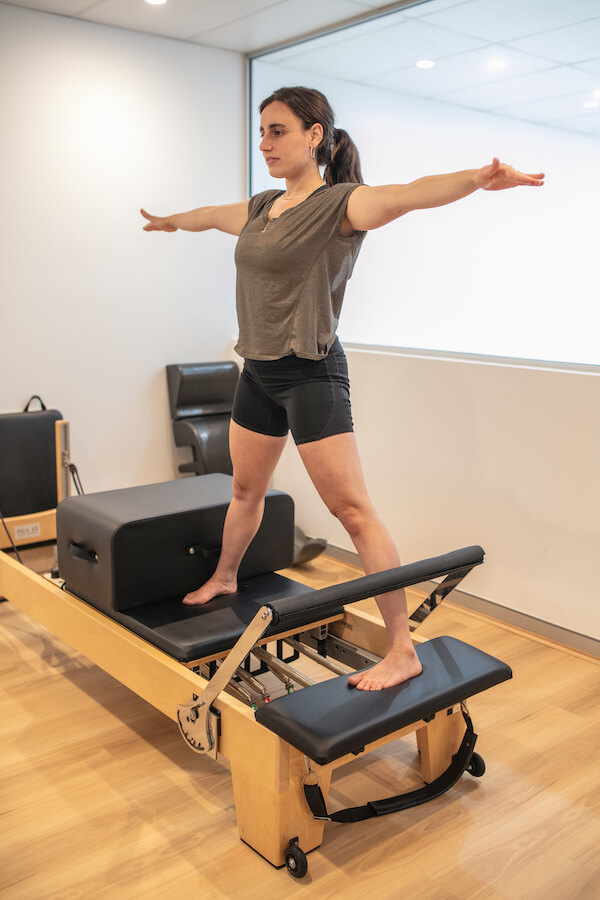
Pilates is an effective way to counteract these issues. It promotes better posture, strengthens key postural muscles, and restores mobility throughout the spine and hips. In this blog post, we’ll explore some of the key benefits Pilates offers for those who spend their days at a desk.
Thoracic Mobility
The thoracic spine (mid-back) plays a vital role in allowing flexion, extension, and rotation of the upper body. When we sit in a slouched position for extended periods, this area can become stiff and restricted.
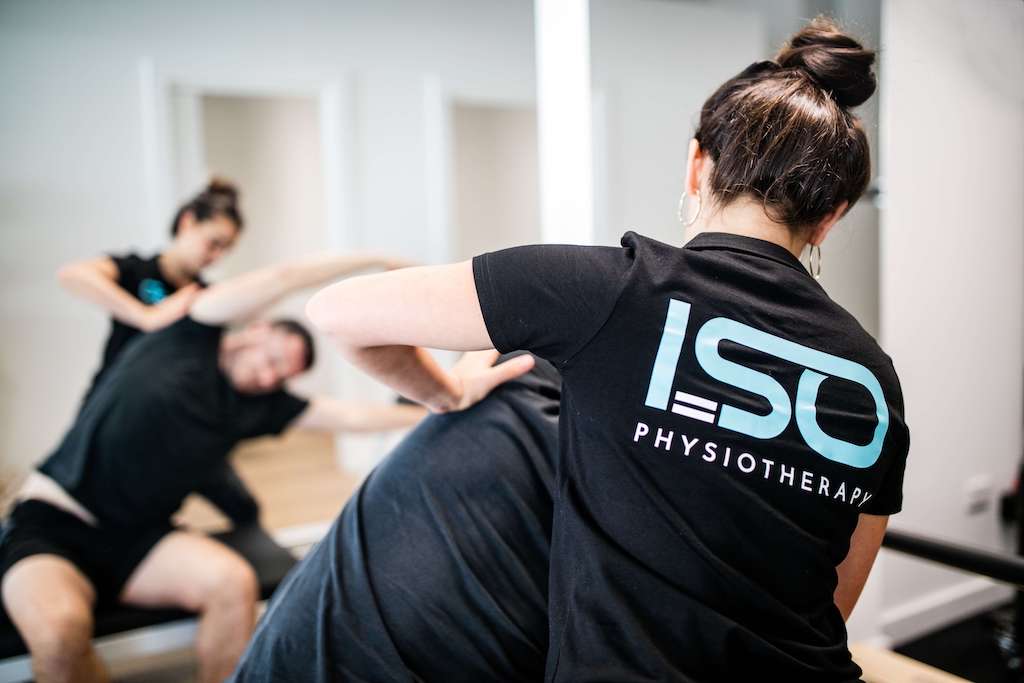
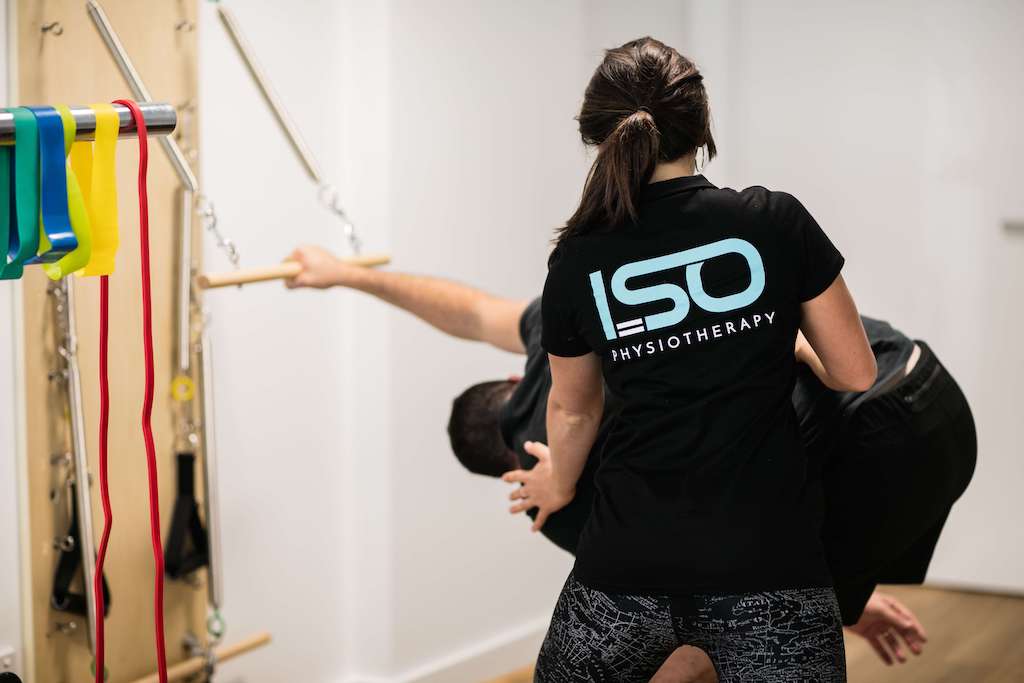
Pilates targets thoracic mobility through both dynamic mobility and muscle activation exercises. These movements help restore movement in the spine while engaging the muscles that support good posture. Improved thoracic mobility can reduce upper back stiffness, relieve tension in the neck and shoulders, and allow for more efficient movement throughout the day.
Core Stability
Strong core muscles are essential for maintaining good posture and supporting the spine. especially during prolonged sitting. Pilates places a strong emphasis on deep core engagement, particularly the transverse abdominis, pelvic floor, and multifidus muscles. By improving core stability, office workers can maintain a more upright posture, reduce strain on the lower back, and move more efficiently throughout their day. It also helps to prevent common desk-related issues like lower back pain.
Hip Mobility
Prolonged sitting shortens and tightens the hip flexors, particularly the iliopsoas muscle, which can lead to reduced hip extension, anterior pelvic tilt, and increased strain on the lower back. Over time, tight hip flexors can affect walking, standing posture, and even cause compensatory patterns in movement.
Pilates incorporates exercises that both lengthen tight hip flexors and strengthen the surrounding hip stabilisers. Movements such as leg circles, bridges, and dynamic hip stretches help to restore mobility and balance around the pelvis. Improving hip mobility not only reduces stiffness and discomfort, but also supports better alignment and overall movement quality.
If you would like to try Pilates with us, give us a call on 8068 7737 or book online at isophysio.com.au or by clicking the button below.