Acupuncture and Dry Needling in Bondi Junction
If you’ve ever been recommended acupuncture or dry needling during a physio session, you’re not alone in wondering what the difference is. Both involve very thin needles, both aim to reduce pain, and both can be incredibly effective—but they’re not the same thing. Understanding how they differ can help you feel more confident and informed about your treatment options.
What Is Acupuncture?
What Is Acupuncture?
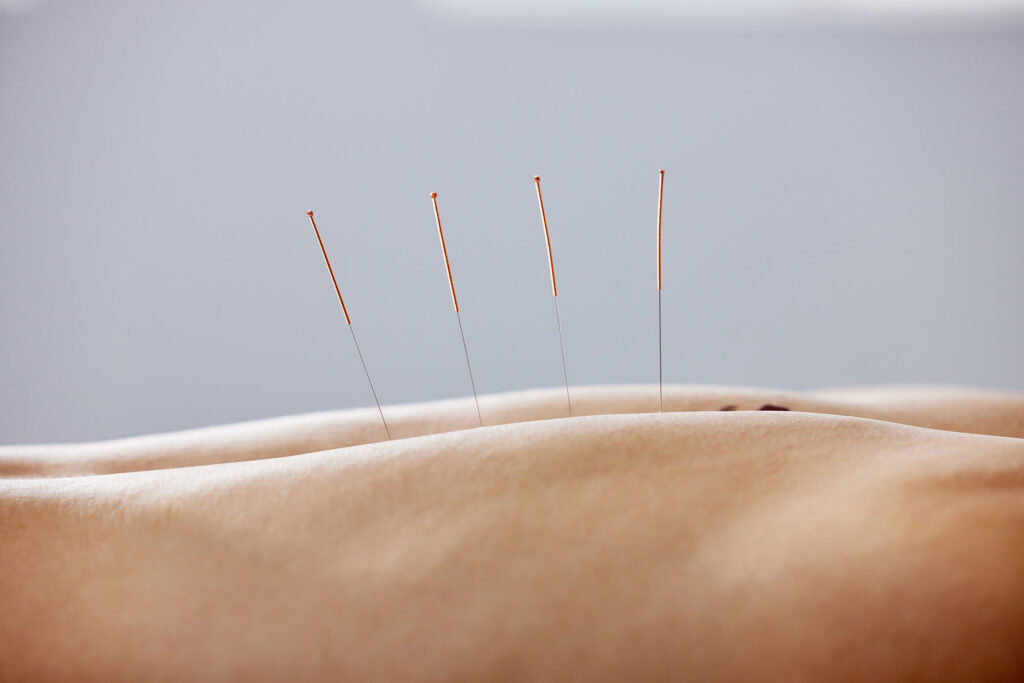
Acupuncture is a therapy that comes from Traditional Chinese Medicine (TCM). It’s been around for thousands of years and is based on the idea of balancing the body’s energy—often called Qi (pronounced “chee”). Practitioners place fine, sterile needles into specific points along the body’s meridians to restore balance, calm the nervous system, and support overall wellbeing.
In modern clinical practice, acupuncture is known to help with:
- Chronic pain conditions
- Stress and anxiety
- Headaches and migraines
- Sleep issues
- Muscle tension
A key feature of acupuncture is its holistic approach. The goal is to help the body rebalance and function at its best.
What Is Dry Needling?
What Is Dry Needling?
Dry needling is a more recent technique used commonly by physiotherapists. Instead of focusing on meridian points or energy flow, dry needling targets myofascial trigger points, also known as “knots”, in muscles that can cause pain or restricted movement. During a dry needling session, your physio inserts a fine needle directly into the problematic muscle. This can create a twitch response and help release the tension almost instantly. It’s often used alongside hands-on therapy and exercise rehab to get you moving better, faster.
Dry needling is typically used for:
- Muscle tightness
- Trigger points
- Sports injuries
- Joint stiffness related to muscle tension
- Acute flare-ups of pain
It’s very focused, local, and aimed at improving movement and reducing discomfort in a specific area.
Which One Should You Choose?
Which One Should You Choose?
It depends on what you’re dealing with. If your main concern is tight muscles, mobility restrictions, sports-related pain, or a recent flare-up, dry needling is often the most direct and efficient approach.
If you’re managing longstanding pain, stress, tension patterns, headaches, or issues influenced by the nervous system, acupuncture can provide broader relief and help regulate how your body responds to stress and pain.
Both acupuncture and dry needling are safe, evidence-supported, and effective tools for reducing pain and improving function when performed by trained practitioners. The best choice really comes down to your symptoms and your goals.