
Lower Leg, Foot & Ankle Physiotherapy in Bondi Junction
Pain in the lower leg, foot or ankle can make everyday activities frustrating and can prevent you from doing the things you enjoy most. Whether you’re a runner dealing with shin pain, a gym-goer recovering from an ankle sprain, or someone struggling with ongoing Achilles tightness, the right treatment can help you return to activity with confidence.
At ISO Physiotherapy in Bondi Junction, we help active adults, runners and athletes recover from lower limb injuries through a combination of evidence-based hands-on treatment, exercise rehabilitation and structured return-to-sport planning.
Our goal goes beyond the short-term pain relief but to identify why the injury occurred and help prevent it from returning.
Common Conditions We Treat
Conditions We Treat
Lower Leg & Running Injuries
The lower leg absorbs significant force during running, jumping, and daily exercise. We regularly manage:
Shin Splints (Medial Tibial Stress Syndrome)
Characterised by an aching or sharp pain along the inner border of the shinbone (tibia). It occurs when repetitive impact from running or jumping overloads the connective tissue and muscle attachments along the bone, leading to localised inflammation and exercise-induced pain.Calf Strains and Tears
Involves overstretching or tearing of the gastrocnemius or soleus muscles—often felt as a sudden sharp pop, pull, or cramp-like sensation in the back of the lower leg. It frequently happens during sudden acceleration, sprinting, or rapid direction changes.Achilles Tendinopathy & Achilles Pain
A common overuse condition affecting the main tendon connecting the calf to the heel. It typically presents as stiffness, swelling, or a dull ache near the heel, particularly first thing in the morning or during and after physical activity.Achilles Ruptures & Post-Operative Care
A complete or partial tear of the Achilles tendon, usually accompanied by severe, sudden pain (often described as feeling like being kicked in the back of the leg) and a distinct loss of power when trying to push off the foot.Stress Reactions & Stress Fractures
Tiny microscopic cracks or severe bone strain caused by repetitive stress and impact. Unlike soft tissue injuries, pain from a stress fracture is often localised to a specific spot on the bone and builds gradually, aching both during exercise and at rest.
Foot & Ankle Pain
Foot & Ankle Pain
Whether caused by a sudden twist or gradual overuse, foot and ankle issues require precise care:
Ankle Sprain Treatment & Ligament Injuries
Occur when the foot rolls, twists, or turns beyond its normal range of motion, stretching or tearing the tough bands of tissue (ligaments) holding the ankle bones together. Symptoms include sudden pain, rapid swelling, bruising, and difficulty bearing weight.Ankle Instability & Recurring Sprains
A long-term condition where the ankle repeatedly "gives way" or feels unstable during movement. It often develops after an initial sprain heals with stretched ligaments, leading to poor joint feedback (proprioception) and weak surrounding muscles.Plantar Fasciitis & Heel Pain
Irritation or overload of the thick band of tissue running across the bottom of the foot connecting the heel to the toes. It is characterised by a sharp, stabbing pain under the heel, most noticeable during the first few steps out of bed in the morning or after resting.Tendonitis & Arch Pain
Inflammation or overuse affecting the tendons supporting the foot structure—most commonly the posterior tibial tendon (along the inner arch) or peroneal tendons (along the outer ankle). It typically presents as a deep ache, tenderness, or swelling through the arch or side of the foot.Post-Operative Foot & Ankle Rehabilitation
Complex foot or ankle conditions following surgical procedures—such as ankle ligament reconstruction, fracture fixation, or joint cleanouts—often involving persistent joint stiffness, muscle loss, and altered walking mechanics.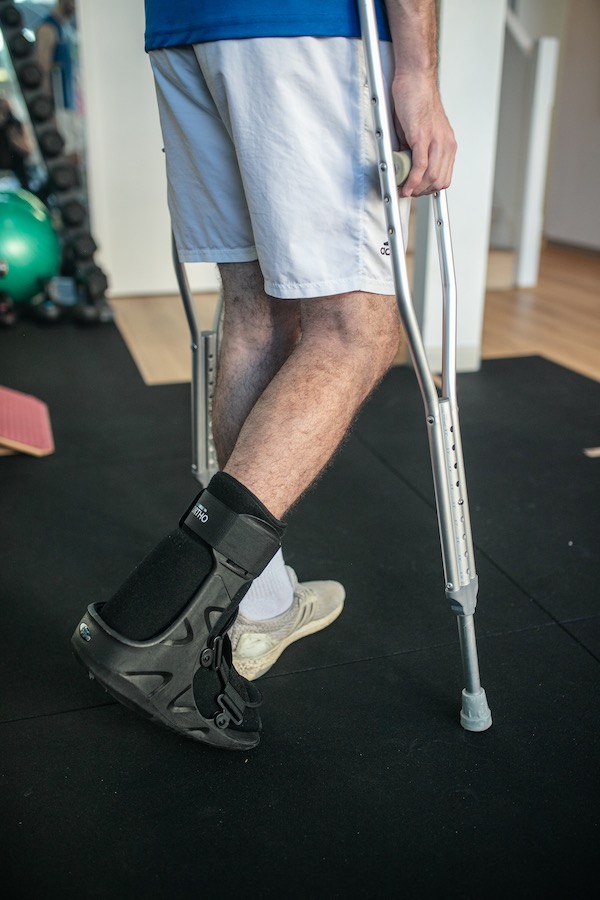
Why Do Lower Leg Injuries Occur?
Lower leg injuries often develop when the demands placed on the body exceed its ability to recover and adapt.
Common contributing factors include:
- Sudden increases in training load
- Returning to running too quickly
- Changes in footwear
- Reduced calf strength
- Poor lower limb control
- Previous injury history
- Reduced mobility through the ankle or foot
- Sport-specific demands
While an ankle sprain often happens in a split second, many lower leg conditions build up gradually over time.
A thorough assessment by one of our MSK Physiotherapists can help identify the contributing factors so treatment can be directed at the underlying cause rather than simply managing symptoms.
How Physiotherapy Can Help
At ISO Physiotherapy, we take an individualised approach to lower leg, foot and ankle injuries.
Thorough Assessment
We take the time to understand:
- Your injury history
- Training habits
- Sporting goals
- Movement patterns
- Strength deficits
- Factors contributing to your symptoms
Hands-On Physiotherapy Treatment
Our physiotherapists combine hands-on treatment with exercise rehabilitation to help reduce pain, improve movement and support recovery.
Depending on your condition, treatment may include:
- Joint mobilisation
- Soft tissue therapy
- Dry needling
- Taping
- Mobility work
Rehabilitation Exercise
Exercise rehabilitation is often the key component of long-term recovery.
Your program may focus on:
- Calf strength
- Lower limb control
- Balance and stability
- Running capacity
- Sport-specific conditioning
Return To Running & Sport
For active individuals, recovery is not complete until you can confidently return to the activities you enjoy.
We guide patients through a structured return-to-running or return-to-sport process designed to rebuild confidence, strength and performance.
Why Choose ISO Physiotherapy?
At ISO Physiotherapy, we understand that simply reducing pain isn’t enough. Our focus is helping people return to the activities that matter to them, whether that’s running, gym training, team sport or simply staying active.
Our approach combines:
- Thorough assessment and diagnosis
- Hands-on physiotherapy treatment
- Individualised rehabilitation programs
- Access to our rehabilitation gym
- Progressive return-to-running and return-to-sport planning
Our rehabilitation gym allows us to progress patients beyond the treatment table and into strength, capacity and performance-based rehabilitation. This is particularly important for runners, sporting injuries and active adults looking to return to training safely and confidently.
We work with active adults, recreational runners and sporting individuals who want more than short-term symptom relief. Our goal is to help you recover fully and build confidence in your body again.
Who We Help
We work with active individuals across all fitness levels, including:
Recreational & Marathon Runners
Looking to stay injury-free and optimise running efficiency.Field & Court Athletes
Football, netball, basketball, and tennis players recovering from acute sprains or overuse injuries.Gym & Fitness Enthusiasts
Cross-fitters, weightlifters, and group fitness participants returning to heavy loading.Triathletes & Endurance Competitors
Managing multi-discipline training loads.Active Adults
Anyone who wants to walk, hike, work, and move without lower leg or foot pain.

Whether your goal is to walk comfortably, complete your next fun run or return to competitive sport, we can help create a clear pathway back to activity.
Frequently Asked Questions
Frequently Asked Questions About Lower Leg Injuries
Yes. Physiotherapy is one of the most effective ways to manage shin splits. A physiotherapist can help identify the factors contributing to shin splints, reduce pain and guide a gradual return to running and sport.
Although symptoms can be similar, stress fractures are generally more serious and often require medical imaging for diagnosis. A physiotherapy assessment can help determine whether further investigation is required.
Recovery varies depending on the severity and duration of symptoms. Most cases require a structured strengthening program over several weeks to months.
This depends on the diagnosis. Some conditions can be managed while maintaining modified running, while others require temporary reduction in training. A physiotherapist can help determine the safest approach.
Repeated ankle sprains can lead to reduced strength, balance and stability. Rehabilitation is important to restore confidence and reduce the risk of future sprains.
Not always. Many lower leg, foot and ankle injuries can be diagnosed clinically. If imaging is required, your physiotherapist can advise on the most appropriate investigation.
If pain is affecting your ability to walk, run, train or participate in sport, early assessment often leads to faster recovery and reduces the risk of longer-term problems.
Book Your Lower Leg & Ankle Assessment Today
Don't let foot, ankle, or shin pain hold you back from doing what you love. Contact ISO Physiotherapy in Bondi Junction to start your recovery today.